Introduction
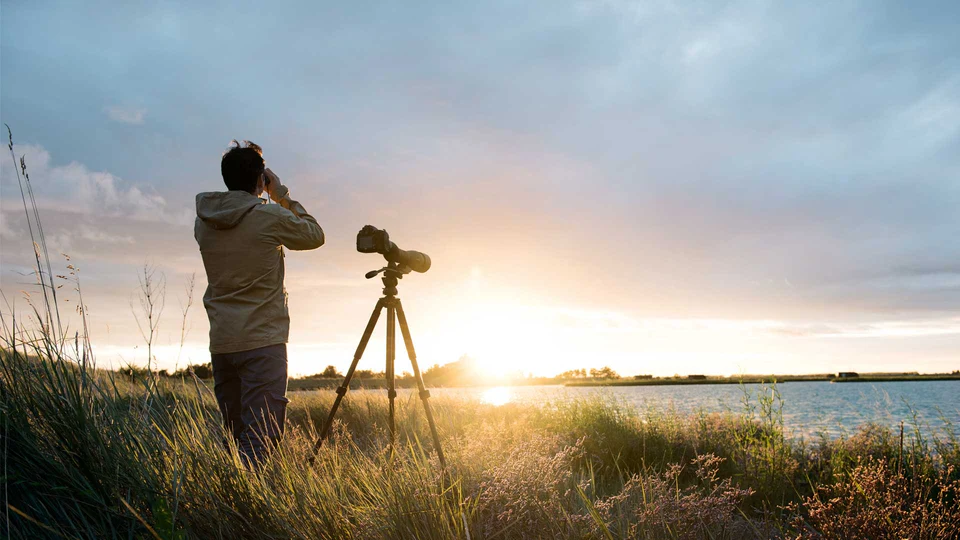
Digiscoping pairs a spotting scope with a camera or smartphone, letting you capture distant birds, wildlife, and landscapes with extraordinary clarity. This guide walks through the essential gear, best practices, and product recommendations to get you started or refine your existing setup.
Spotting Scopes: The Foundation
Objective Lens Size & Light Gathering
The objective lens diameter determines how much light enters the scope — critical at high magnification or in low-light conditions.
- 50–65mm — Compact and great for travel or mobile setups
- 66–80mm — Balanced performance and portability
- 85mm and above — Maximum detail and brightness for stationary setups
Angled vs. Straight Body Design
Angled scopes are more ergonomic for group use and glassing upward. Straight scopes provide faster target acquisition and a more intuitive transition from binoculars.
Pro tip: If you're sharing the view with others or glassing from uneven terrain, an angled scope is the solid choice. For solo fast-action wildlife tracking, go straight.
Digiscoping Adapters
Universal Smartphone Adapters
Phone digiscoping is now easier than ever thanks to universal adapters that clamp your phone directly to the scope's eyepiece. Look for:
- Durable build quality — metal preferred over plastic
- Easy alignment and secure grip
- Compatibility with common eyepiece sizes
DSLR and Mirrorless Camera Adapters
T-rings and custom adapters let you mount your camera body directly to the spotting scope, turning it into a powerful long-range lens. Best for serious nature photographers who want maximum resolution and image quality.
Tripods: Stability Is Everything
Even the smallest vibration at 60x zoom will ruin a shot. Your tripod needs to be solid. Look for:
- Sturdy enough to support your scope's weight without flex
- Lightweight if you're hiking long distances to your spot
- Smooth pan-tilt control for tracking moving subjects
- Carbon fibre construction for the best weight-to-rigidity ratio
Best Practices for Digiscoping Success
- Use a remote shutter or phone timer to reduce shake at the moment of capture
- Focus manually through the spotting scope before attaching your camera
- Turn off image stabilization when mounted on a tripod — it can introduce vibration
- Shoot during golden hours for soft, warm, flattering light on your subject
- Clean all optics carefully before a session to avoid distortion in your images
Recommended Scopes for Digiscoping
Not all spotting scopes are created equal for digiscoping. Look for scopes with wide, flat eyepiece designs that accept universal adapters easily.
- Swarovski ATS 20×60-80 HD — The benchmark for serious digiscopers. Exceptional image quality at 60–80x.
- Vortex Razor HD 27-60×85 — Outstanding value with HD glass and wide zoom range.
- Swarovski STC 17-40×56 — Compact option for travel digiscoping without sacrificing quality.
Getting Your First Shot
Once your setup is ready, start with stationary subjects at moderate distance. Birds at a feeder, deer in a field, or distant landscapes. Learn how your camera sensor responds to the scope's eyepiece, then gradually move to more challenging subjects.
Quick tip: Shoot in RAW format if your camera supports it. The extra data gives you far more control in post-processing to correct exposure and white balance.